





Shoulda, Woulda, Coulda

Shoulda, Woulda, Coulda:
Managing Risk and Responsibility in the Academy  

Systems-level practices and “normative” patterns of interaction have created working and learning spaces that do not allow all members of the higher education community to thrive personally or professionally. As members of this community, individuals have a choice as to whether they will participate in practices/patterns of exclusion or work to cultivate environments in which all people can truly achieve their potential.

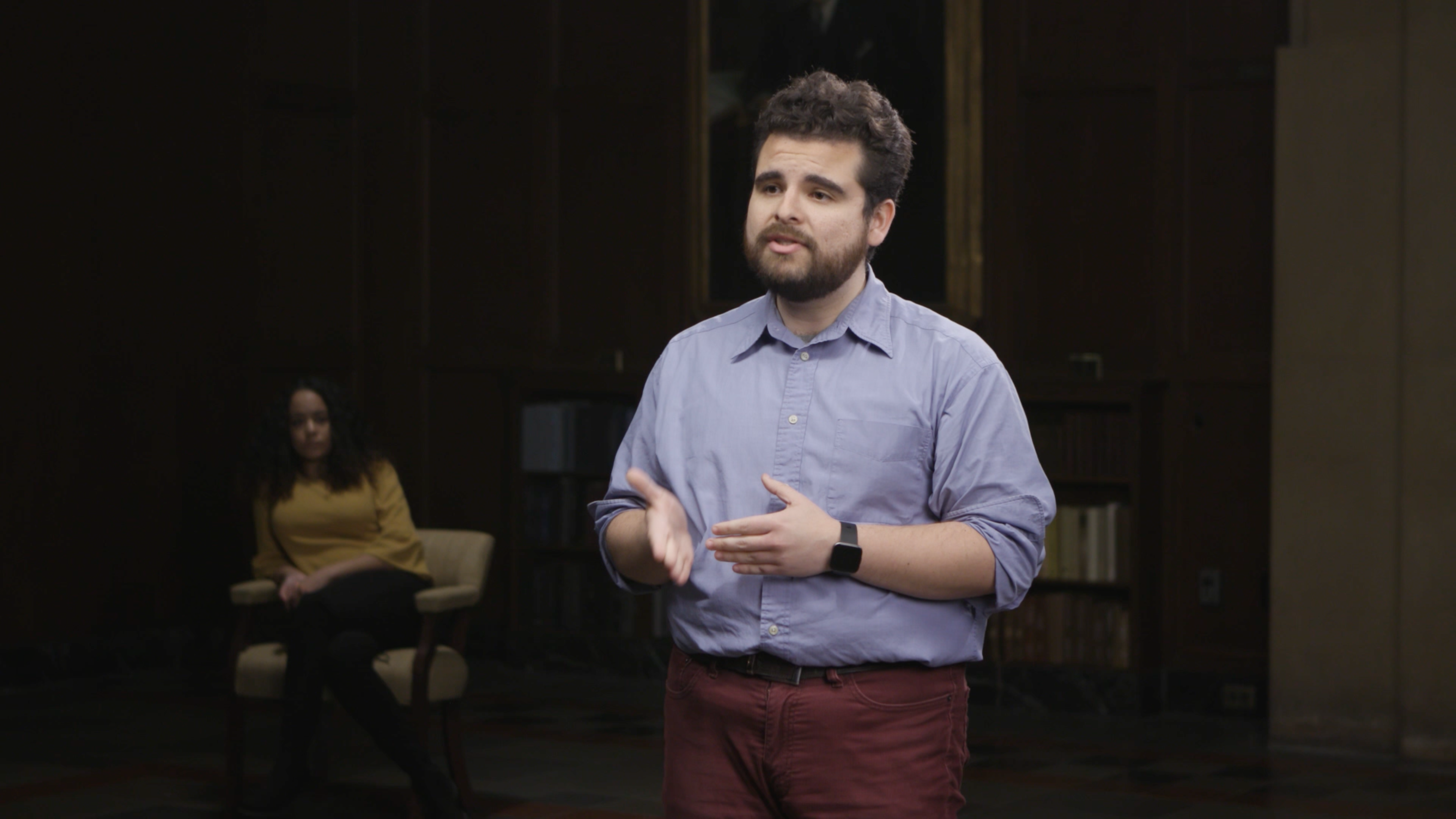
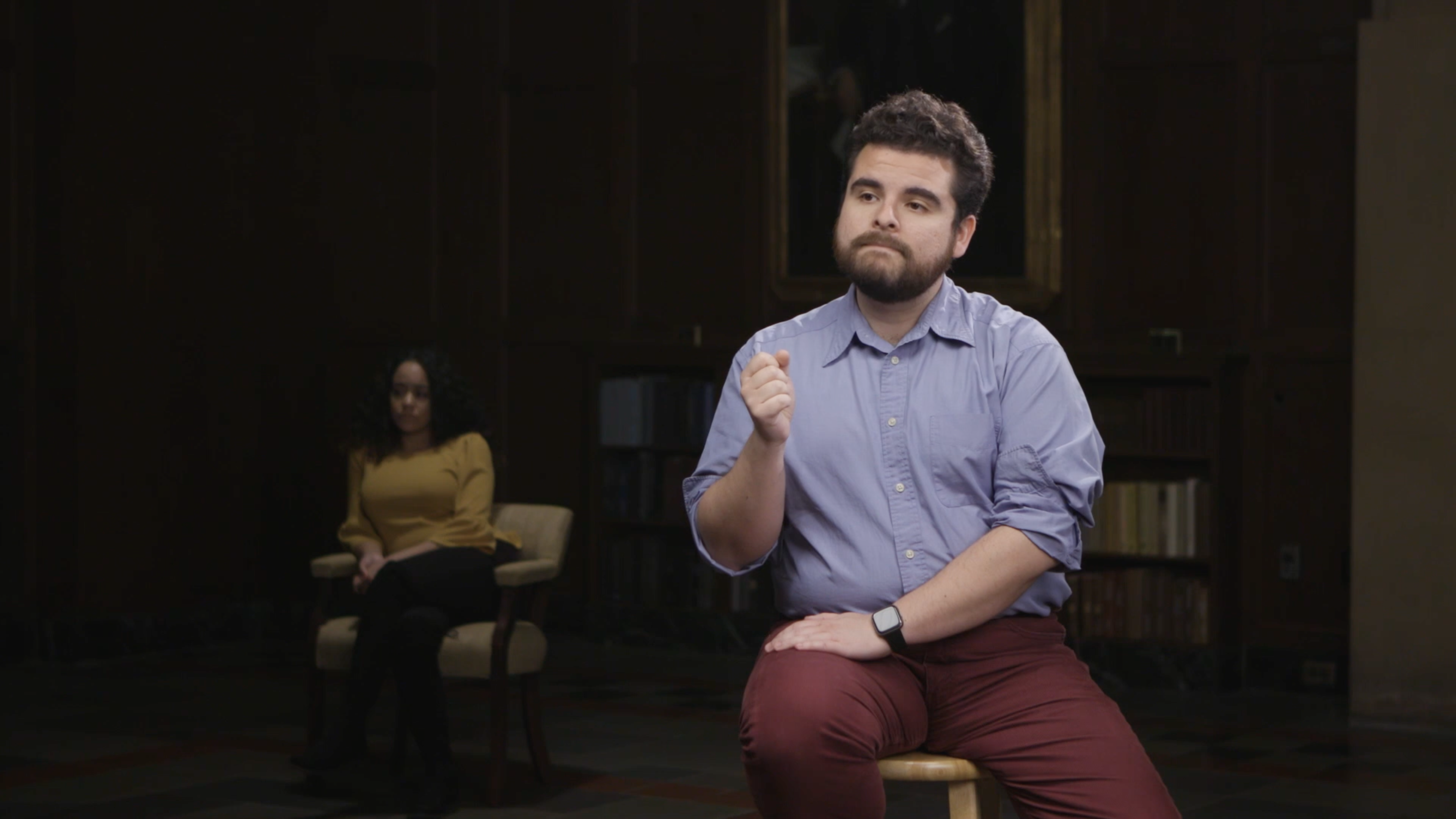
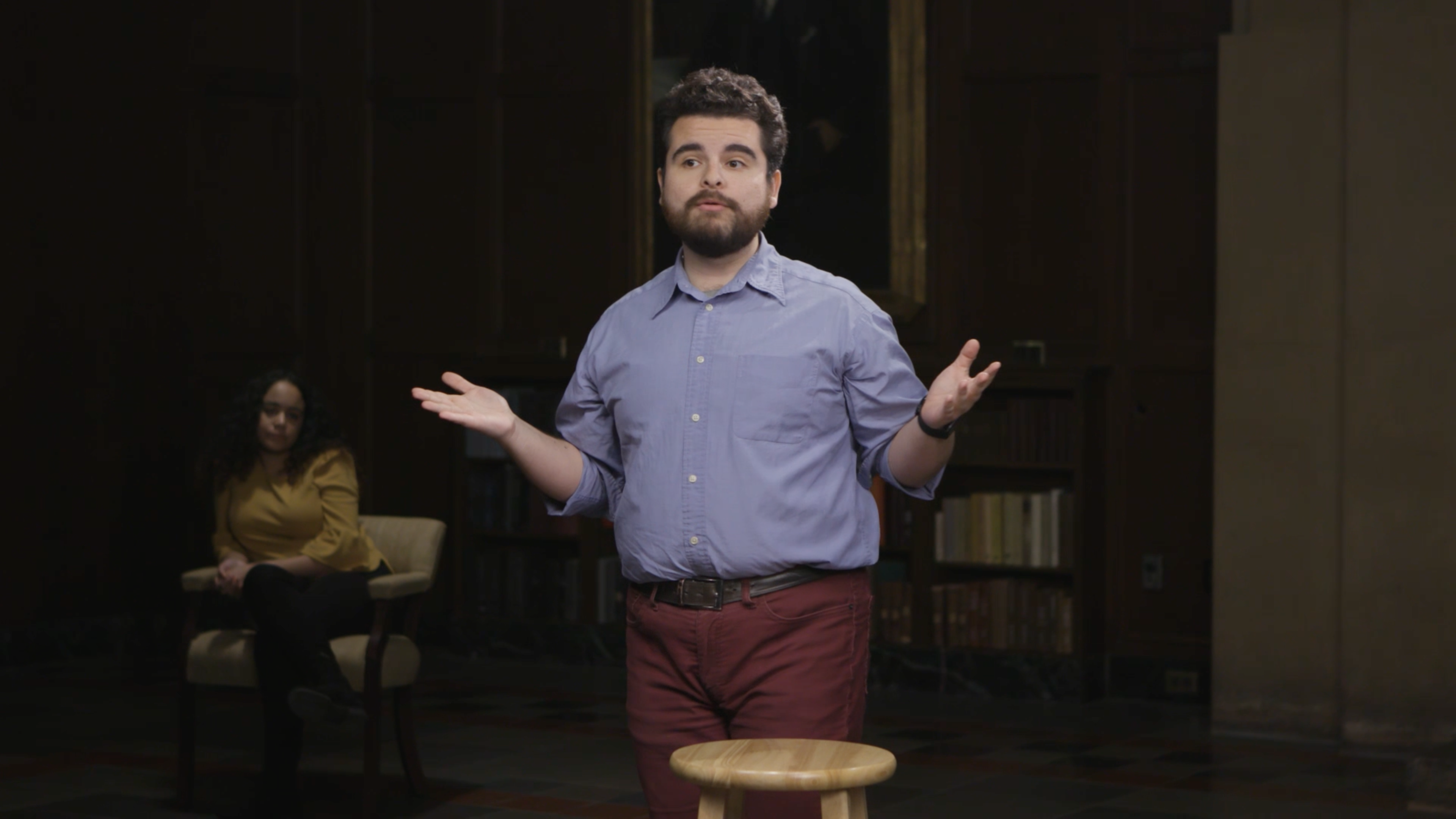
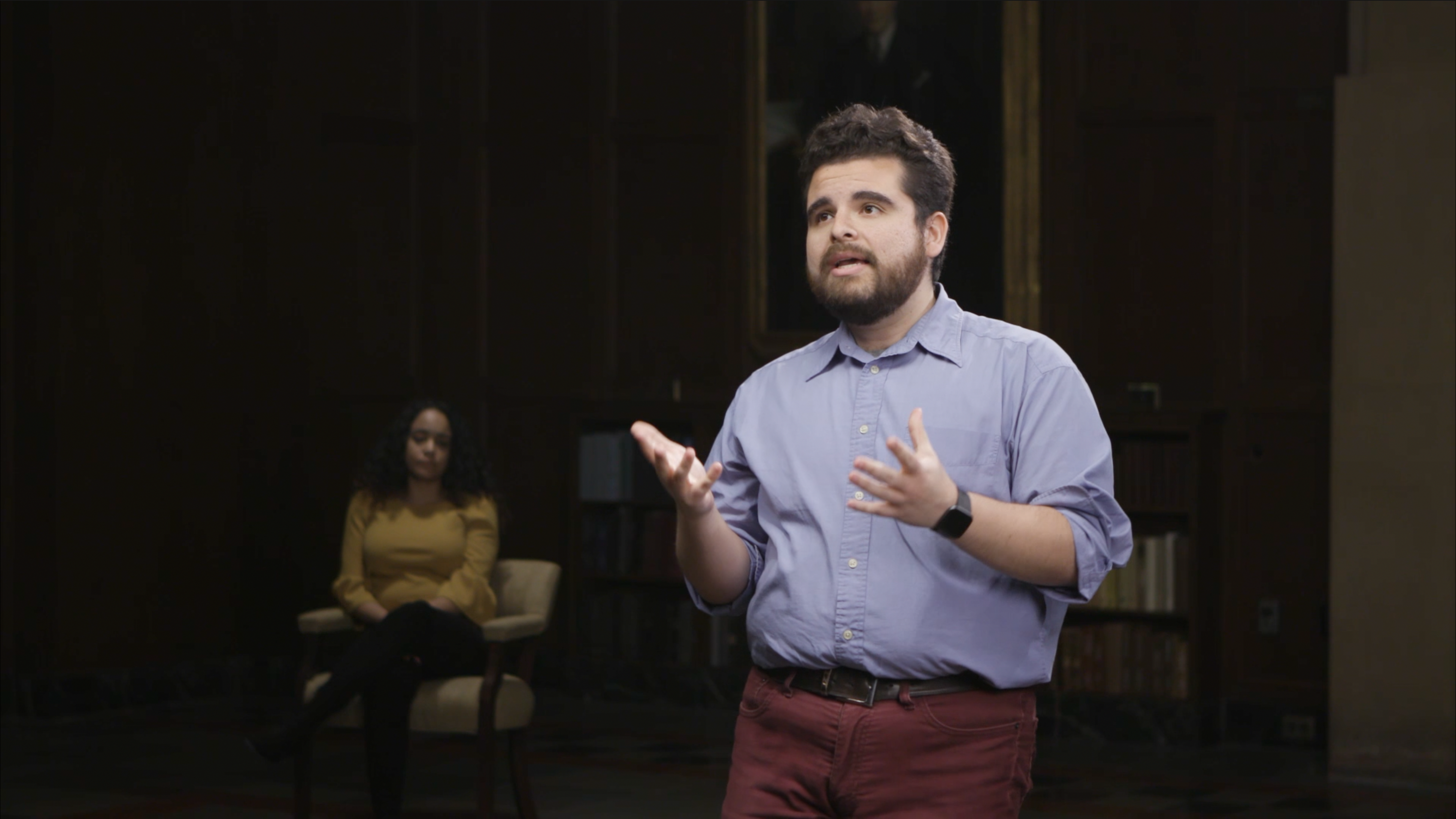
This session centers around an embodied case study depicting one faculty member’s meditation on the consequences of his early inaction and the intentional practices he subsequently adopted in service of creating educational spaces that anticipate and mitigate exclusion. Through session activities, participants will reflect on why the academy is so resistant to change efforts and explore how they can still strategically work toward change, with awareness of and sometimes in spite of the risk of doing so.

This session is appropriate for faculty, graduate students, and academic leaders. The session can be offered in person or virtually in 60, 90, or 120 minute versions. It will be available throughout the academic year.

**The video performance portion of this session contains strong language and descriptions of stigmatizing behaviors and practices. Please reach out to a CRLT Players staff member for a fuller description of the content of this session.

In this session, participants will:

  • Reflect on their own orientations to action and inaction.
  • Explore the tension between risk and responsibility when disrupting the status quo.
  • Map the environments and circumstances where they have the greatest ability to make or influence change efforts
What people have said about :
I think the monologues were strikingly effective. I also really appreciated the structure of [the session]. The reflective nature was also really important. I appreciated how the focus of [the session] was inward.
...I appreciated that it felt more discussion based and explicitly intersectional than others I had attended in the past.
This was a very positive, low-stress workshop to engage in the topic of how to take stands for what we believe, and the barriers to taking that action. It provided context for why we don't always act as we would wish and reinforced the message that it is never to late to act.
I think it just gave me a new perspective from which to look at the things that I do on a daily basis that affect others and how I could be more mindful of their impact from a justice standpoint
I loved this session. The opportunity to reflect privately allowed me to be really honest with myself.
I appreciate that the reflections and group sharing were done in a way that enabled many voices to be heard.
The monologue videos provided a good demonstration of inequity in practice and was a great conversation starter.
This session was a powerful reminder to stay centered on our responsibility to advocate and influence decisions in ways that empower students and foster equitable, safe learning environments.
As a result of this session, I will be more intentional about using my advocacy to speak up sooner and connect students with resources so they feel supported and safe.
As a result of this session, I will be more intentional about stepping in when I see behavior that could cause harm. Instead of waiting and reflecting afterward, I want to address it in the moment so my students and colleagues see that silence is not an option. Even small interventions can shift the environment, and I want to model that consistently.
