
CRLT Players sessions explore a range of topics related to advancing equity in higher education spaces. While the specifics change from session to session, almost all CRLT Players work contains the following: framing and/or research, a performance intervention, and facilitated discussion and reflection on what individuals and institutions can do to meet the concerns raised in the session. Sessions vary in length but the majority can be tailored to fit 60 minute to 2 hour time frames.
Please contact us to start planning your event.
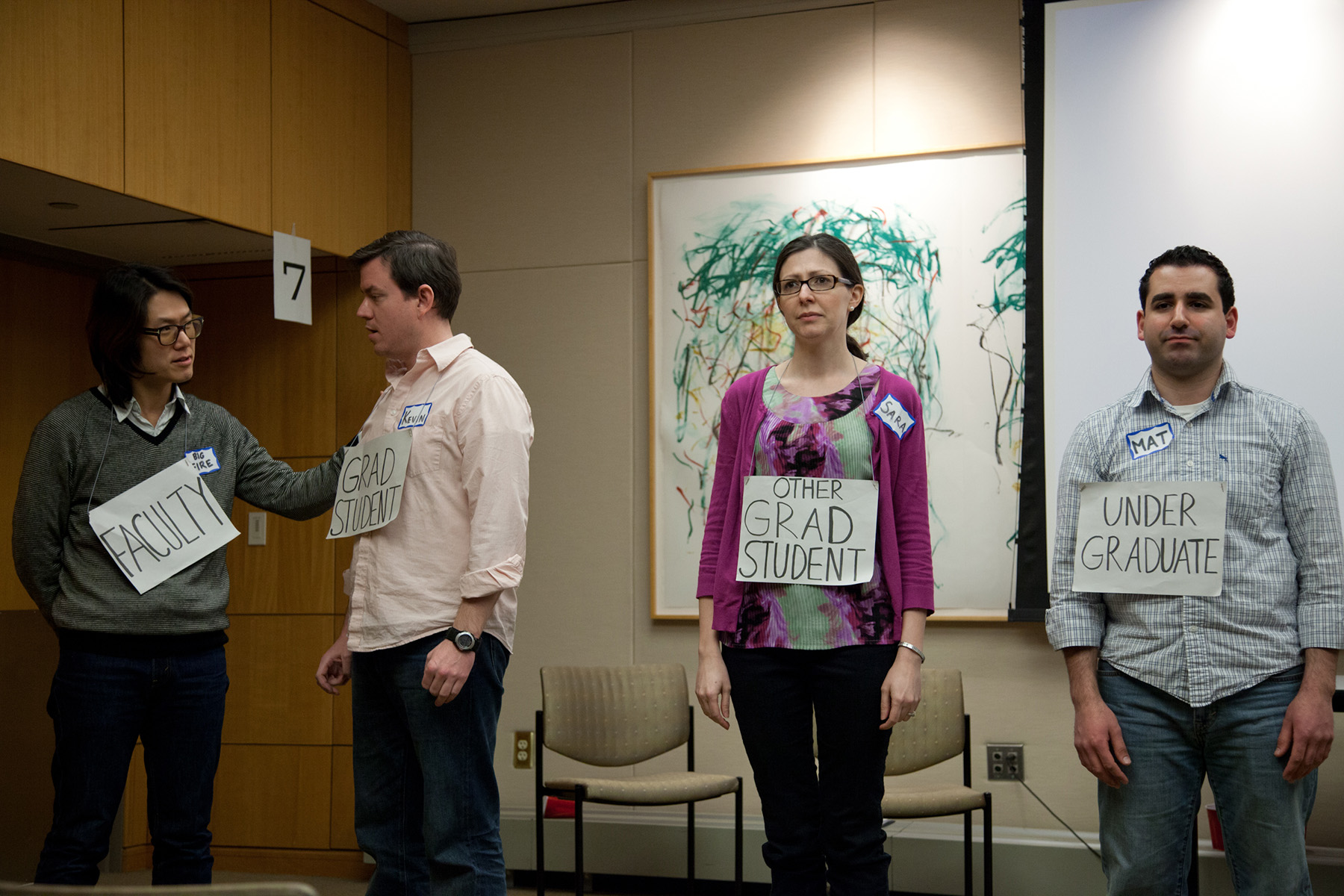
7 into 15Several high-energy sketches prompt instructors to make their teaching more equitable. Learn More ▶ |
|
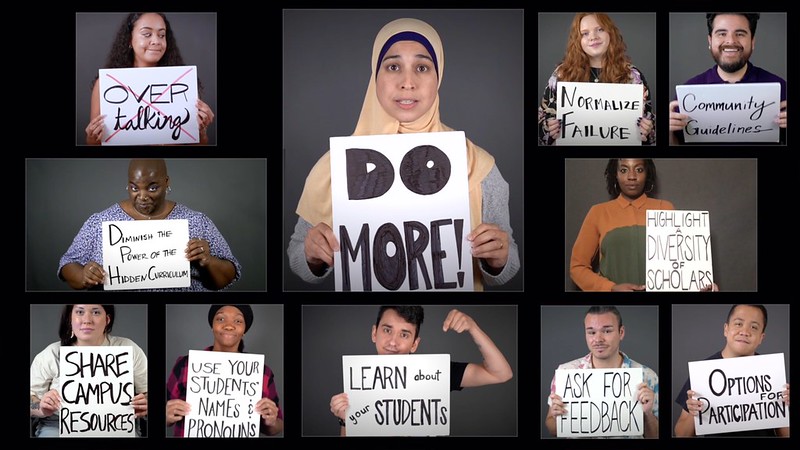
Act for EquityAn asynchronous module introduces instructors to equity-focused teaching elements through short performances. Learn More ▶ |
|
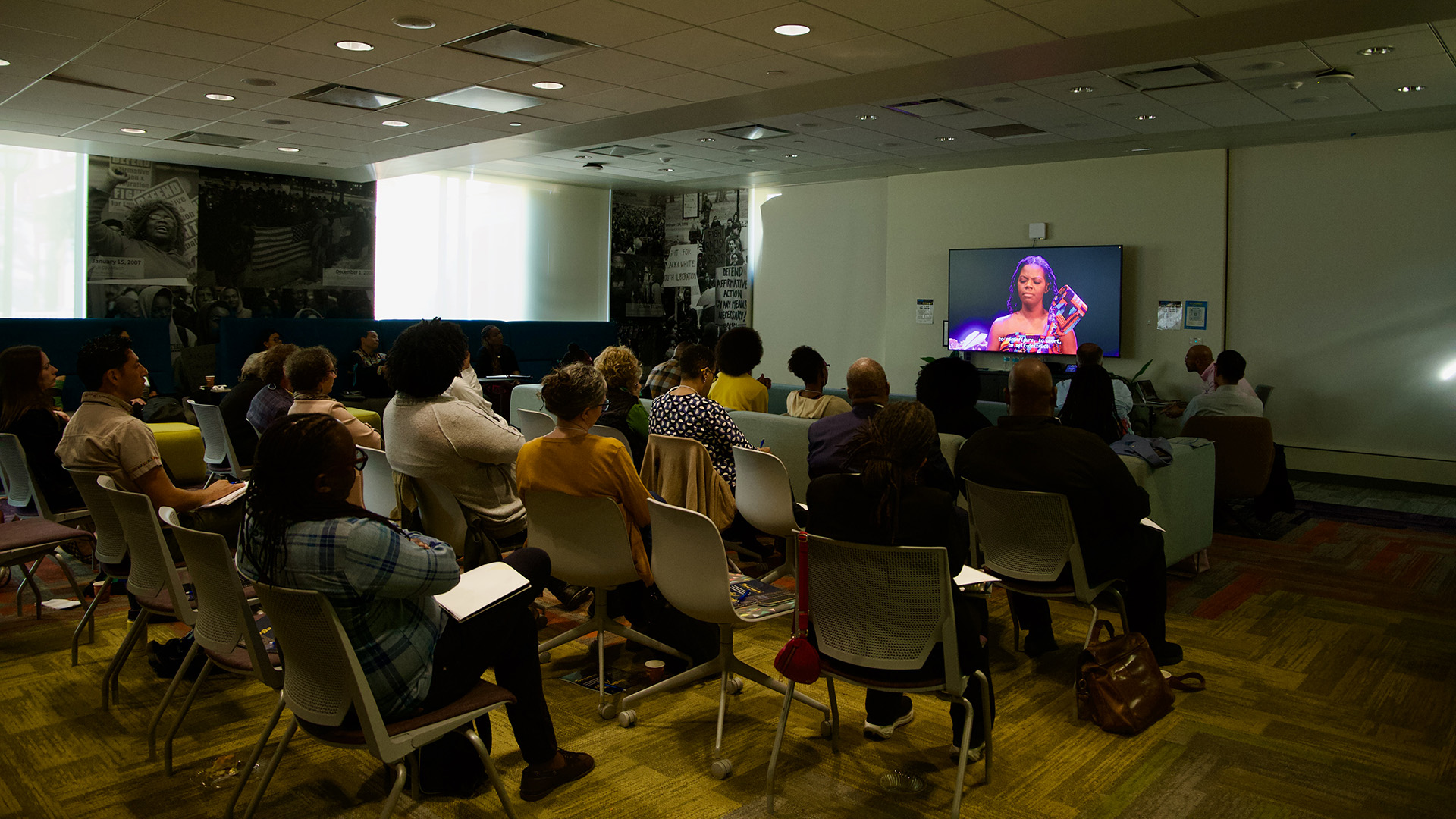
Beginning Again: Revisiting the History of Black Student Experiences to Imagine New FuturesFeaturing the Players' Emmy-Award winning film How Do We Begin, this session invites community reflection on Black student experiences at U-M past and present. Learn More ▶ |
|
Building Your Facilitation Technique ToolkitA facilitator-led workshop generates reflection on participants’ responsibilities while facilitating and provides concrete tools to improve practice. Learn More ▶ |
|
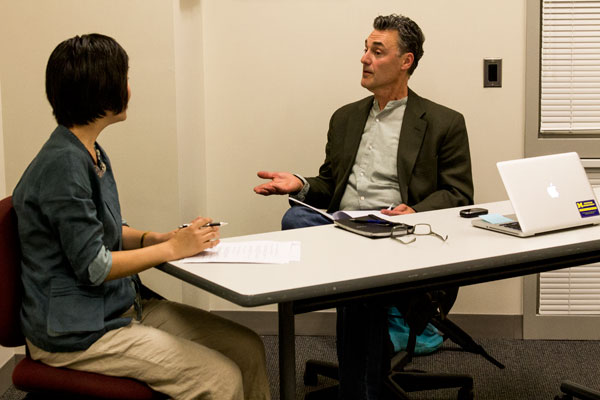
Chair's Role in Faculty MentoringThree perspective-shifting vignettes help participants explore how chairs can create a more positive climate for faculty mentoring. Learn More ▶ |
|
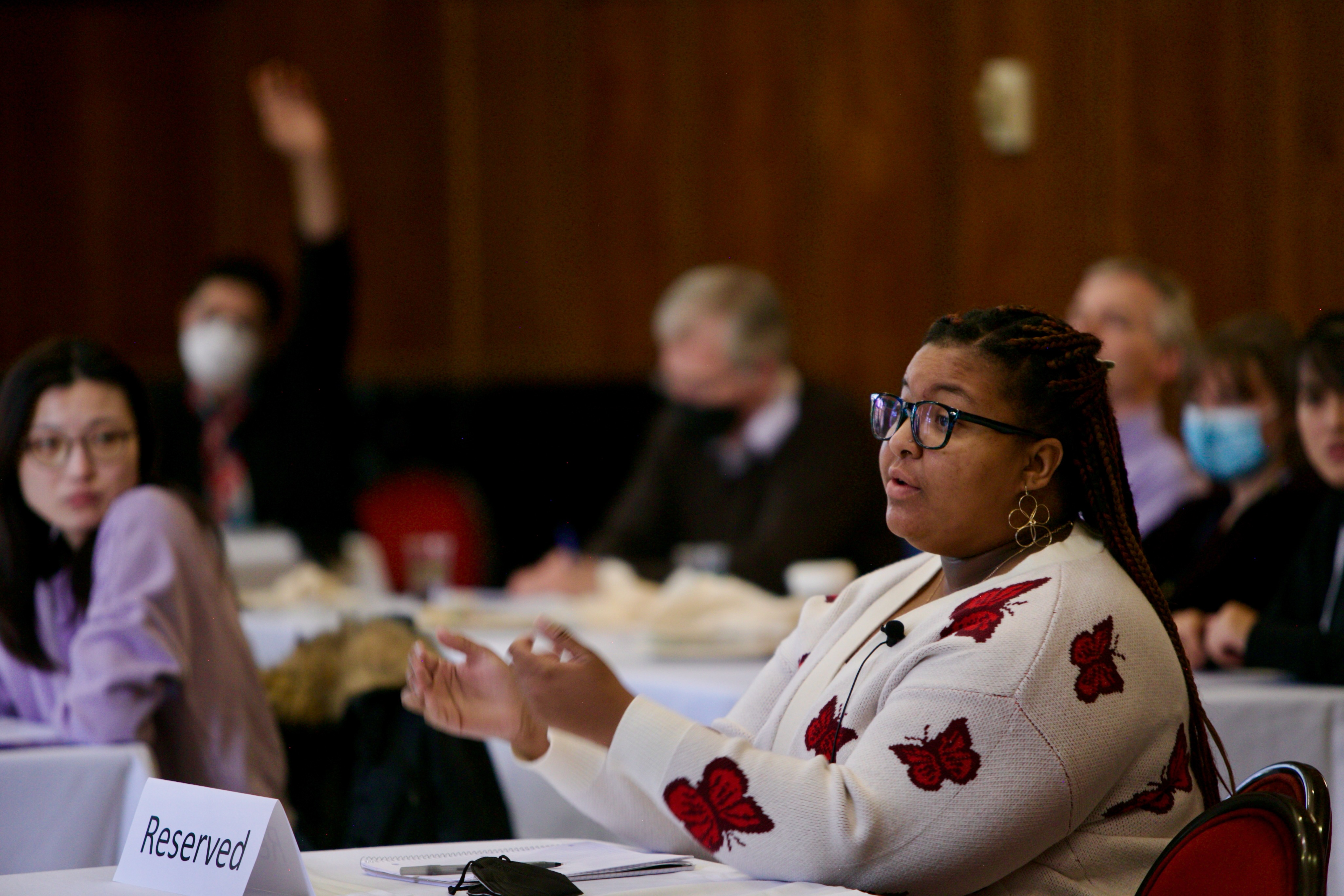
Conflict in the ClassroomA theatrical case study depicting an eruption of conflict in a college classroom encourages reflection on instructor identity, ethos, and pedagogical choice. Learn More ▶ |
|
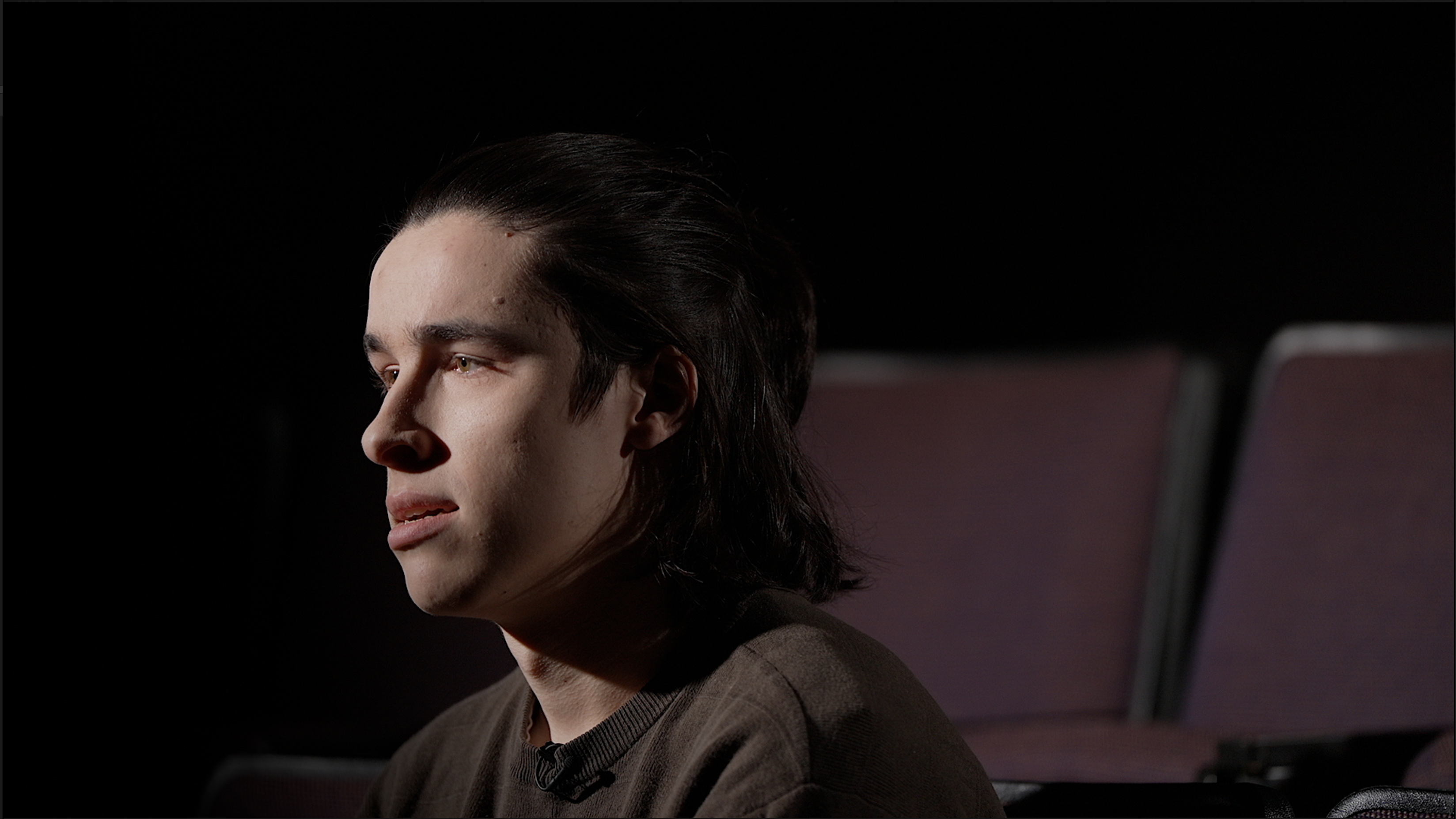
Cultivating Academic BelongingAn alum recounts classroom experiences that negatively affected his mental health, inviting instructors to consider the ways they can cultivate belonging and promote student well-being. Learn More ▶ |
|
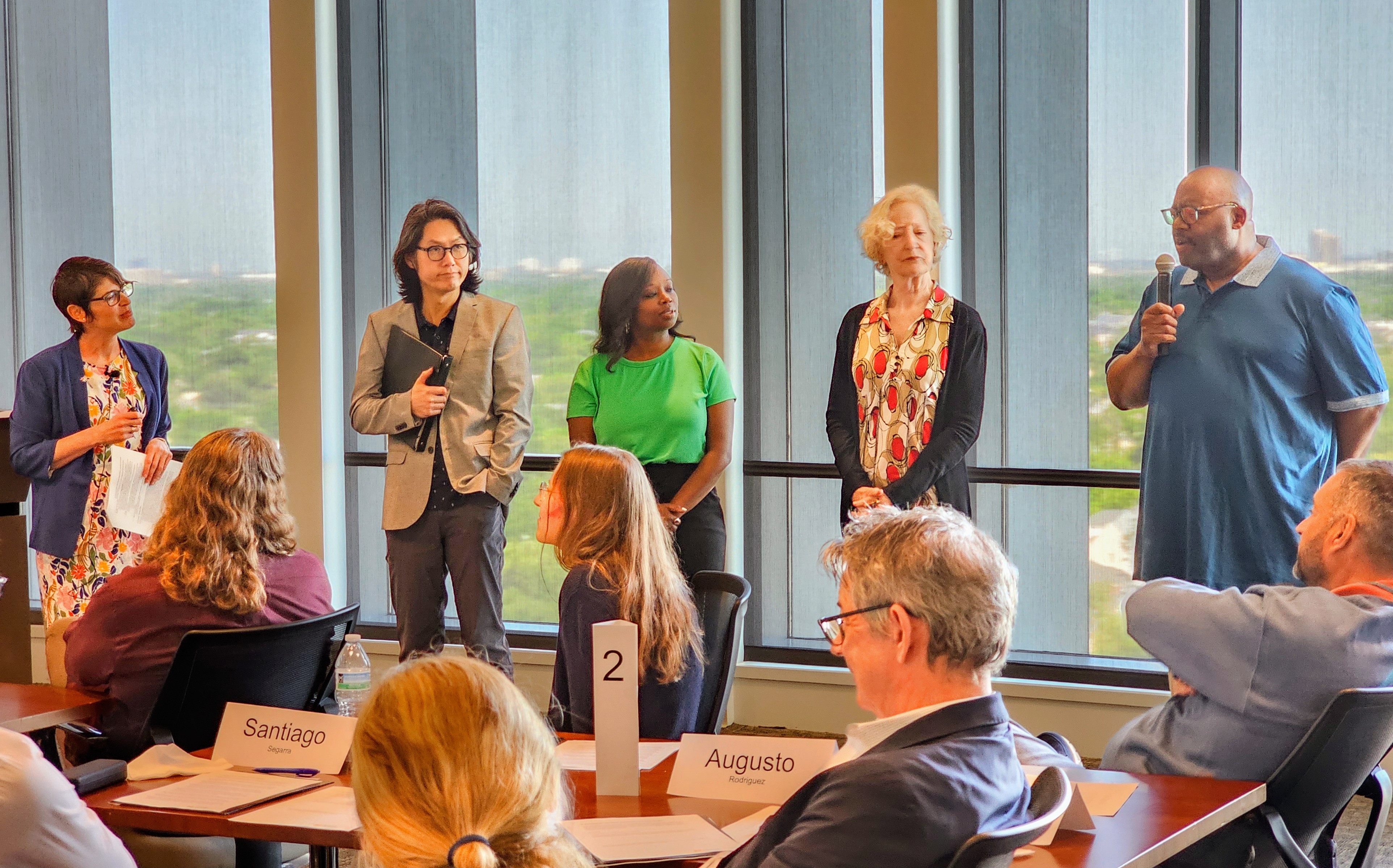
Difficult ConversationsRole-play opportunities give academic leaders a chance to build their capacity to have difficult conversations. Learn More ▶ |
|
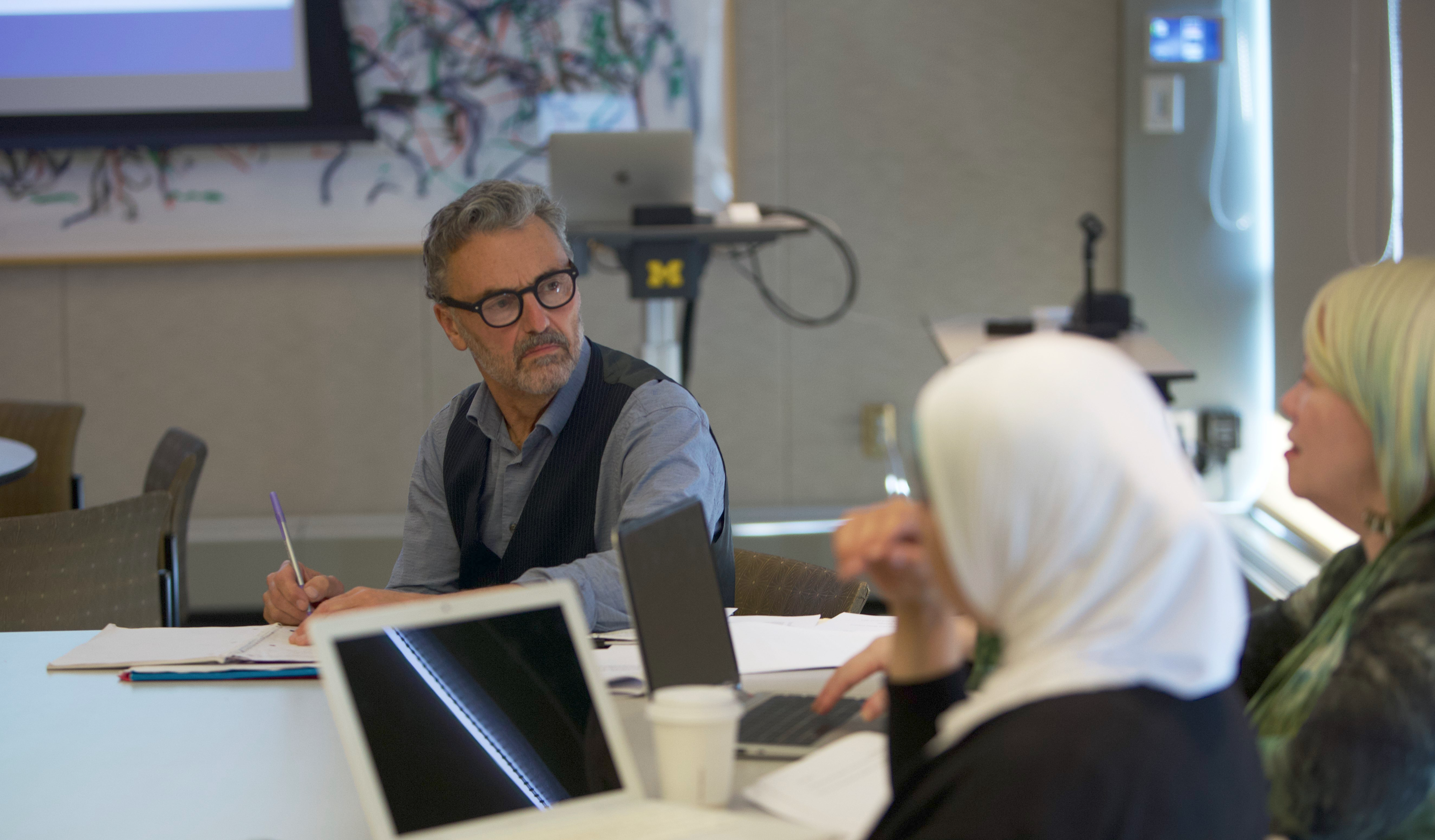
Equity and Excellence in Tenure & Promotion PracticesShort authentic case studies spur participants to consider how they can practically address concerns about fairness and accountability that emerge during promotion and tenure review of their faculty colleagues. Learn More ▶ |
|
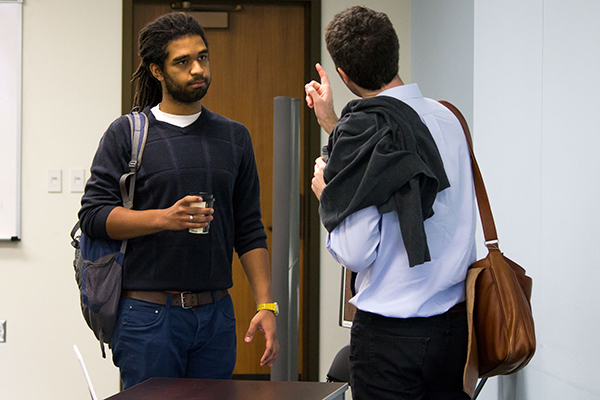
Everything is Fine!: Mentoring to Support Graduate Student Mental HealthFour intersecting scenes between advisors and their advisees invite discussion on mentoring challenges and support opportunities for faculty who mentor grad students to develop their skills. Learn More ▶ |
|
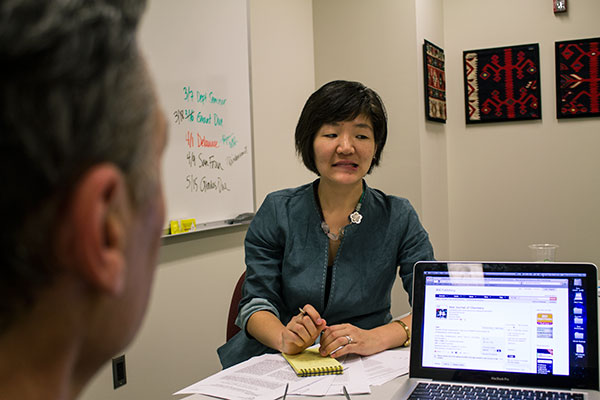
Faculty Advising FacultyA performance depicting the dissimilar experiences of two assistant professors with the same mentor prompts thought on what makes (in)effective mentoring at the faculty level. Learn More ▶ |
|
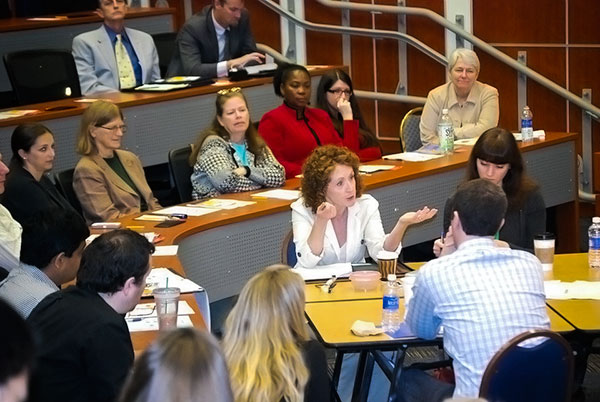
Faculty Meeting: Navigating Departmental PoliticsA sketch about a department seeking a new faculty hire allows participants to discuss what practices negatively impact equitable recruitment/hiring and department climate. Learn More ▶ |
|
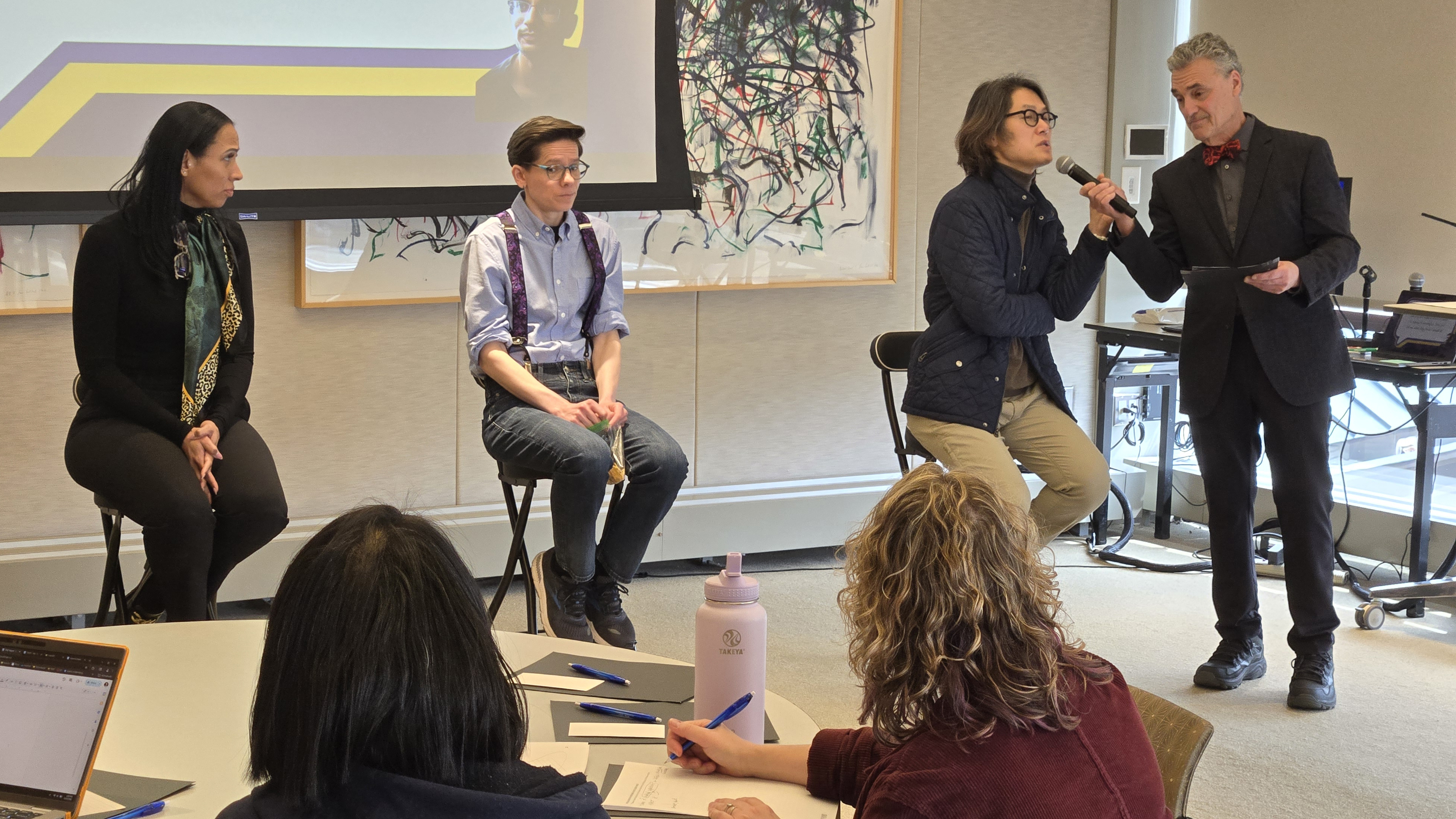
Foundations of MentoringParticipants become members of a live studio audience as faculty “contestants” compete in a hilarious and heartbreaking game show, propelling them to reflect on how they can best lay the groundwork for robust mentoring relationships. Learn More ▶ |
|
How Do We Begin: A Historical Reckoning with Anti-Black Racism at U-MA rich play illuminating U-M’s complicated relationship to elitism and racial inequity prompts reflection on ways participants can pursue a racially just future. Learn More ▶ |

|
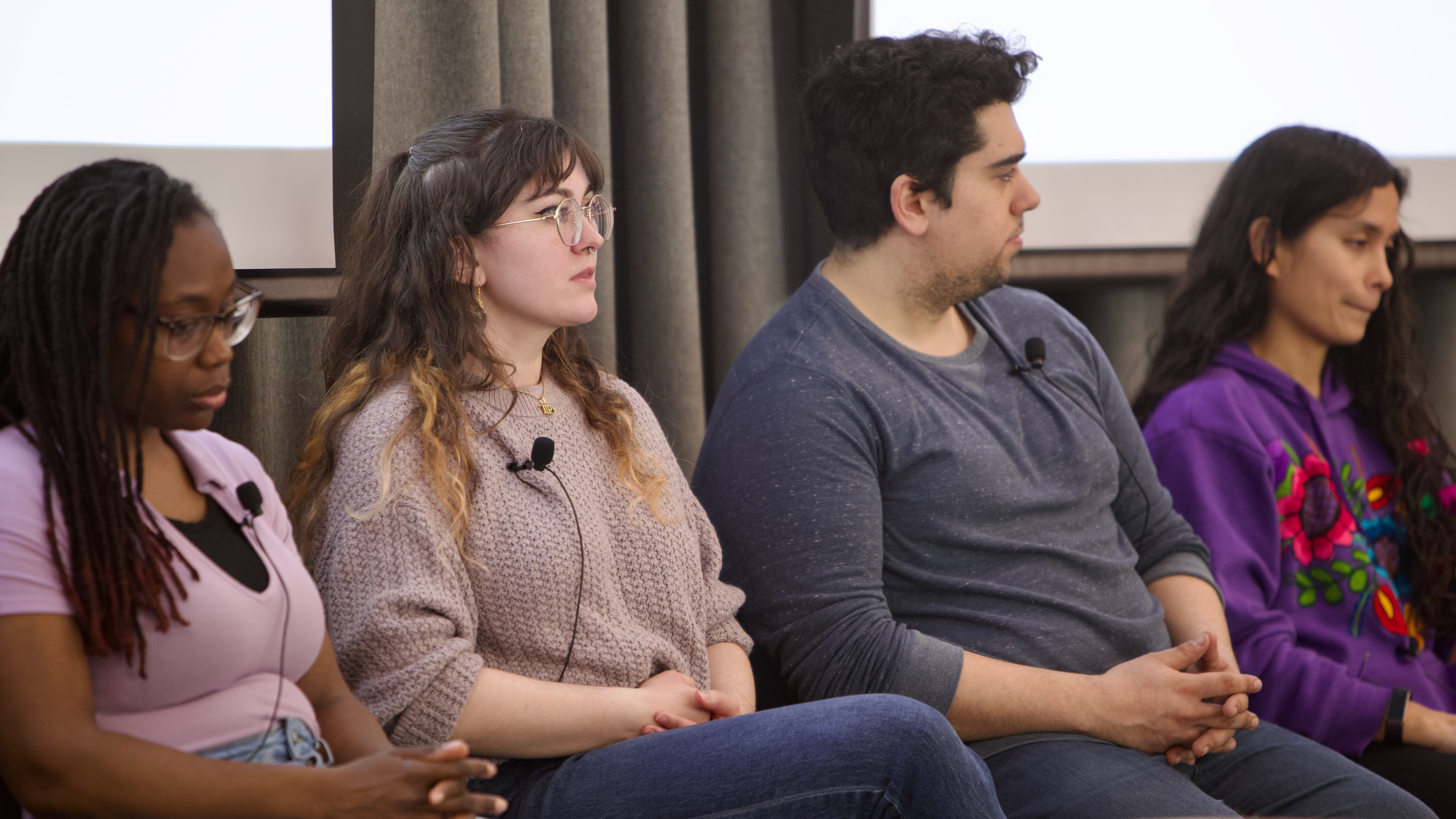
It's in the SyllabusFour first generation college students share stories, prompting instructors to consider ways they can support this heterogeneous population and increase the chances of success for all of their students. Learn More ▶ |
|
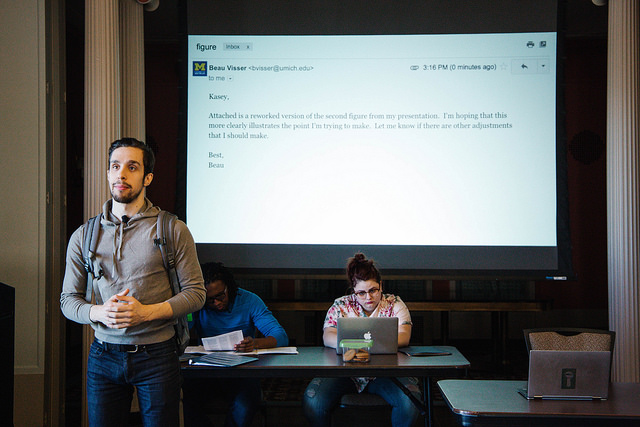
Managing Mentoring: Cultivating Successful Mentoring Relationships in STEM LabsA set of shifting scenes in a lab group examine common challenges and productive possibilities for enhancing mentoring relationships. Learn More ▶ |
|
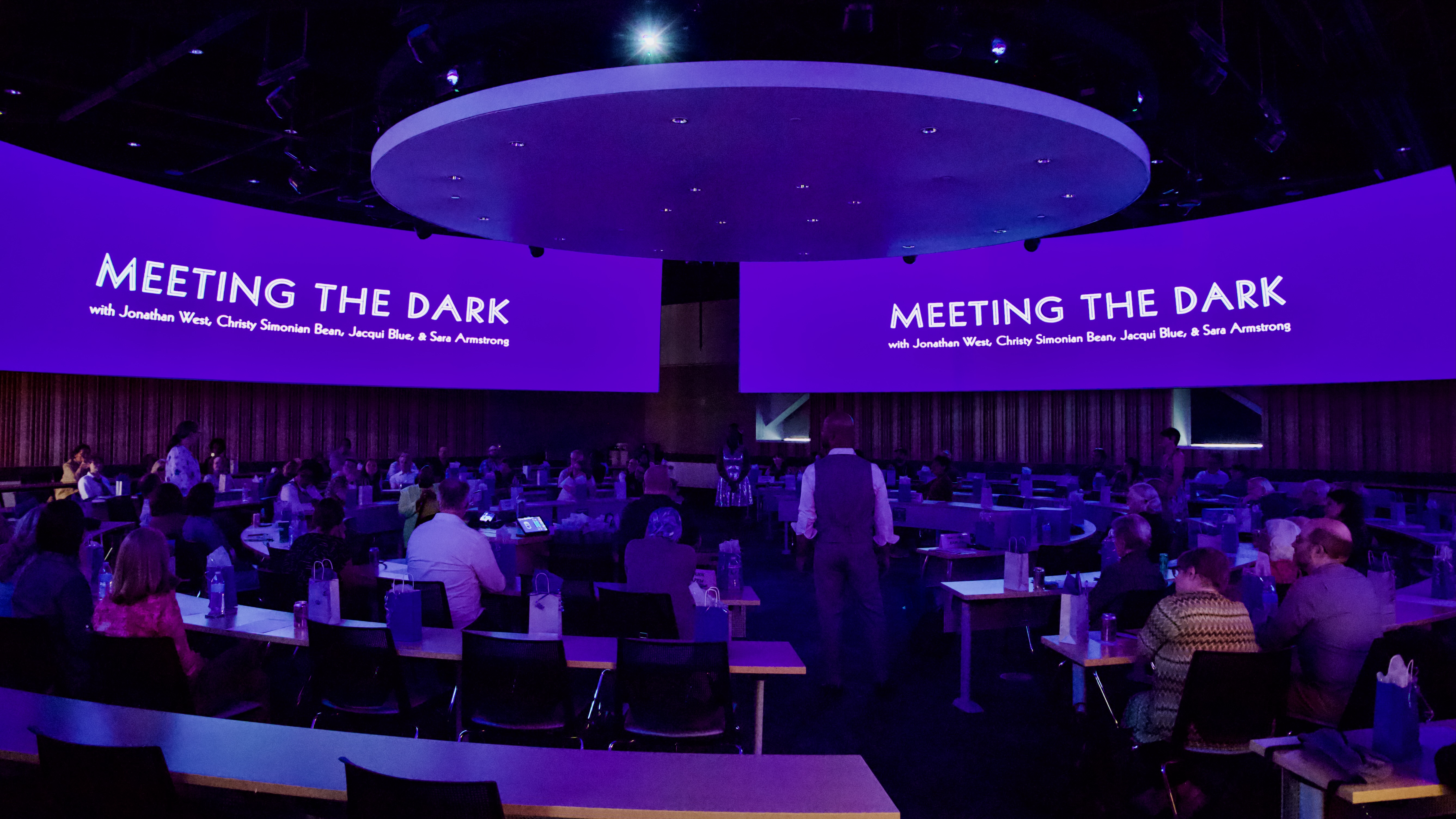
Meeting the DarkA candid multi-voiced performance invites communities into conversation about how they can best move forward together to address the challenges and opportunities of the current moment. Learn More ▶ |
|
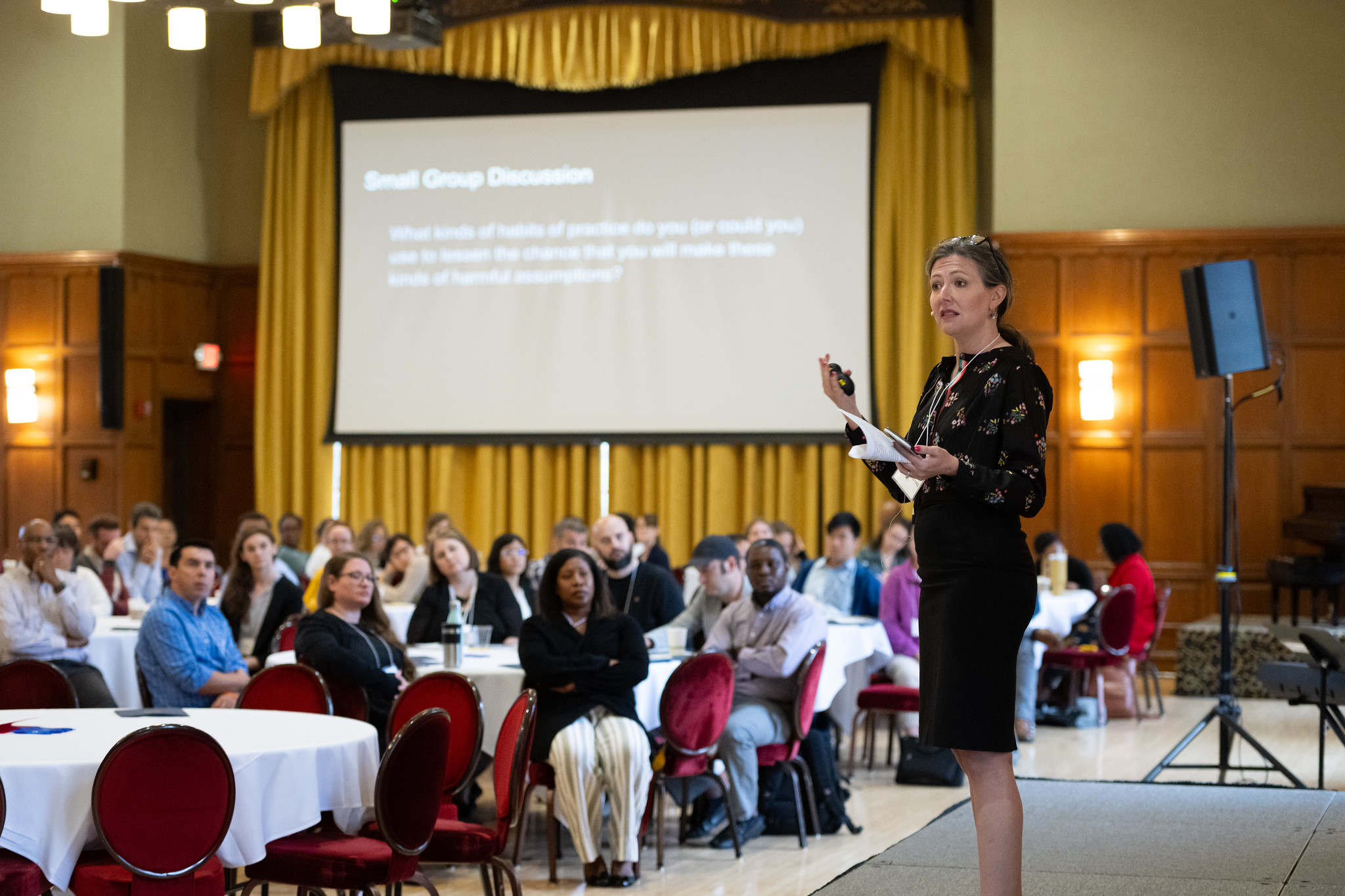
Practical Applications of Facilitation TechniquesA facilitator-led workshop provides an opportunity for participants to consider various case studies related to challenging facilitation scenarios. Learn More ▶ |
|
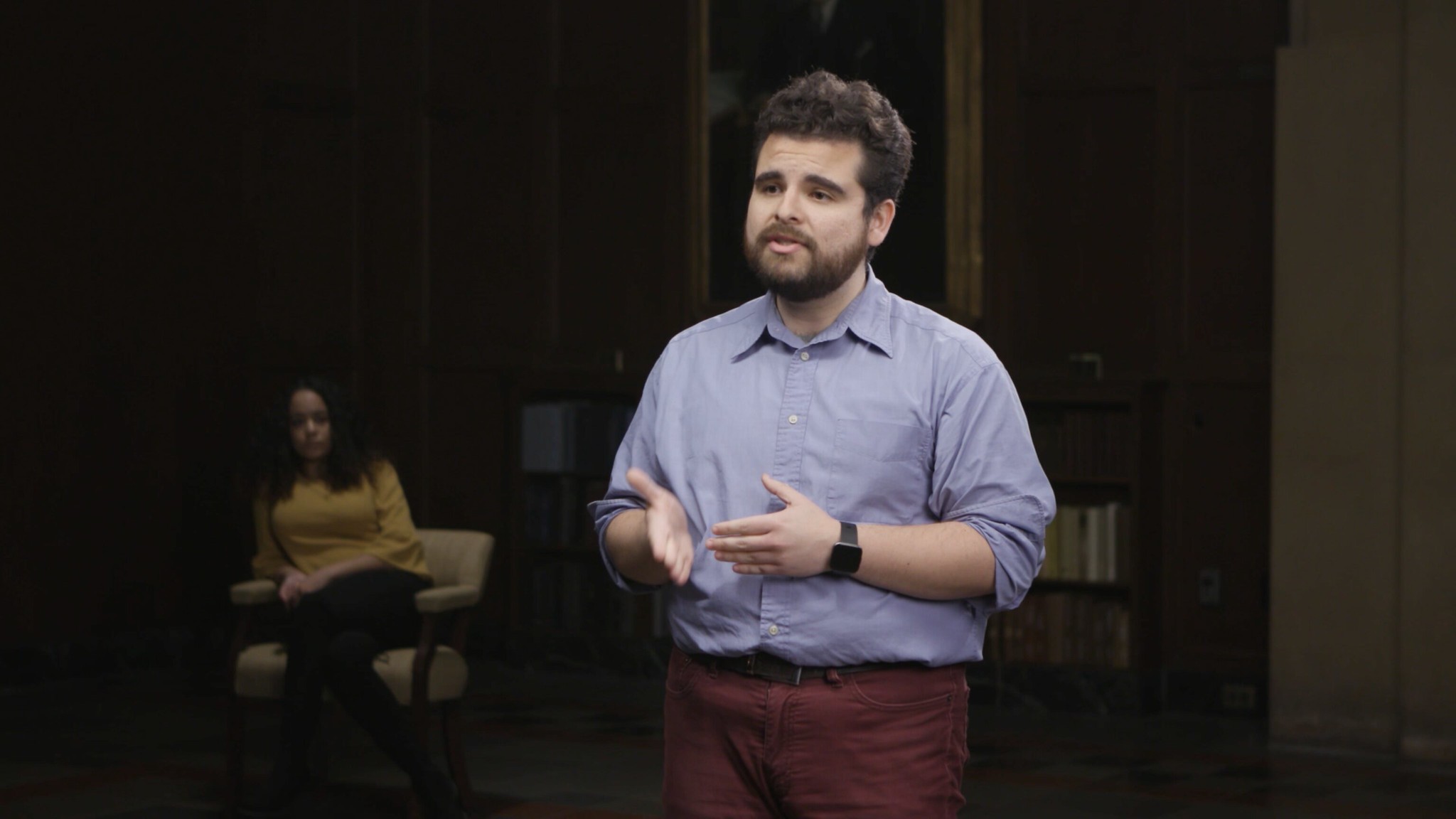
Shoulda, Woulda, CouldaA faculty member reflects on how he navigates risk and responsibility as he seeks to contribute to a positive climate where students and faculty can thrive. Learn More ▶ |
|
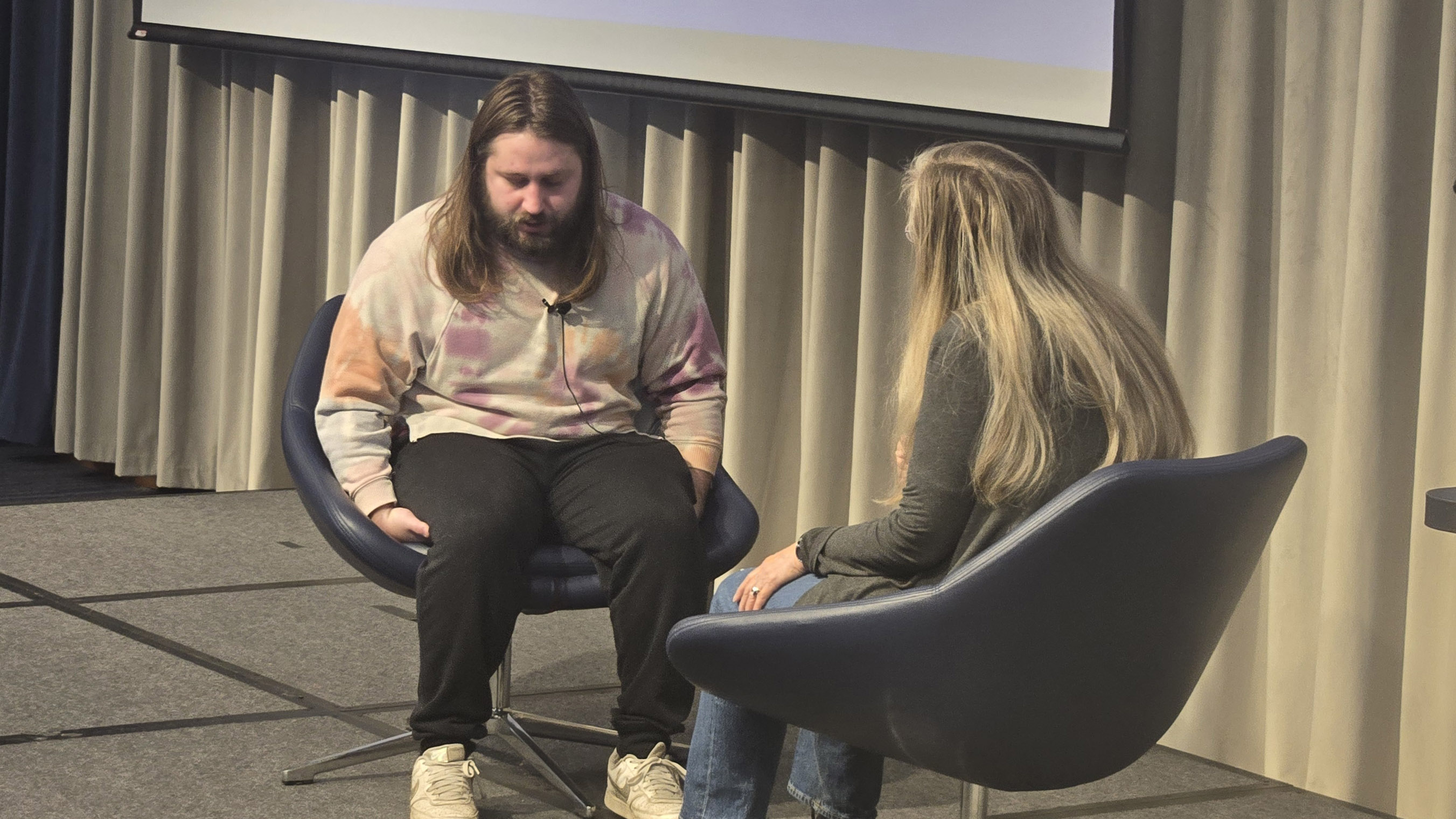
What Should I Do?Role-play opportunities give instructors practice in using a straightforward four-step process to support students who may be experiencing challenges to their mental health. Learn More ▶ |
|
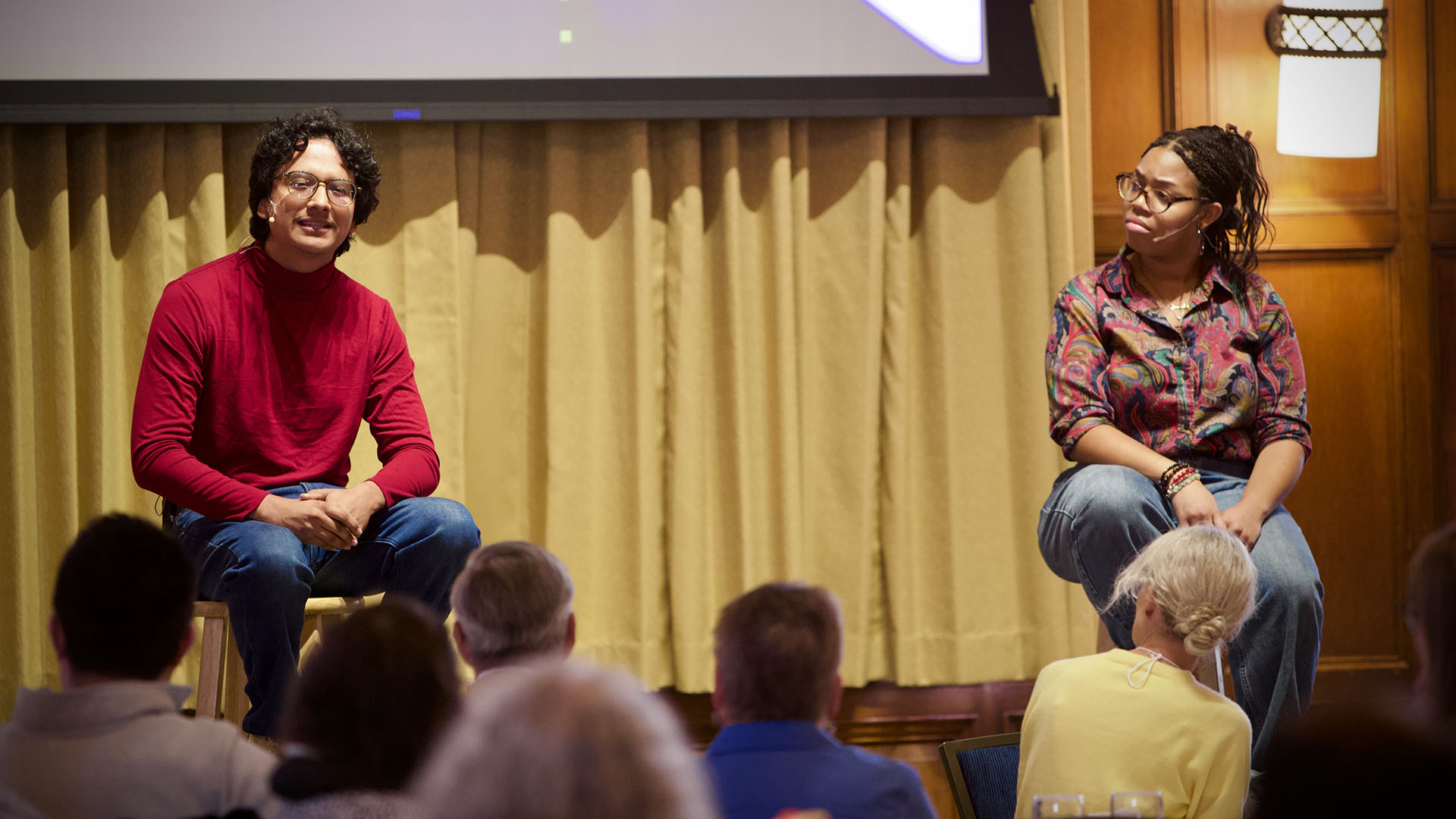
Where’s the Line? Navigating Free Speech and Academic FreedomA performance paired with question-driven discussion with a campus expert helps participants gain clarity about what protections free speech and academic freedom actually provide. Learn More ▶ |
|
You Don't Belong HereA monologue focused on an alum’s complicated experience of non-belonging provides reflection opportunities on how communities can make systemic change. Learn More ▶ |
|
