

Traditionally, the humanities are oriented around critiquing objects through textual analysis. Put another way, classes usually read texts, then discuss them.
In Hu’s Critical AI class, however, students work toward designing their own chatbots. Each student fine-tunes U-M Maizey’s large language model using datasets they’ve developed. The selection and gathering of the dataset are part of the learning path, occasionally creating problems along the way. For example, copyright material from a popular singer once threw up an error and produced reflections around the nature of copyright and what we use data for.
Each student ends up with their own “chatbot,” and there have been interesting discussions around why students want their chatbot to “make things up” and even hallucinate, rather than stick to the facts in their dataset.
This “laboratory” in critical making occurs alongside critical texts that offer historical context for data and early experiments with artificial intelligence, including contemporary scholarly approaches that allow students to think about AI in the context of race, gender and sexuality, and literary authors and artists who use AI for unusual results.
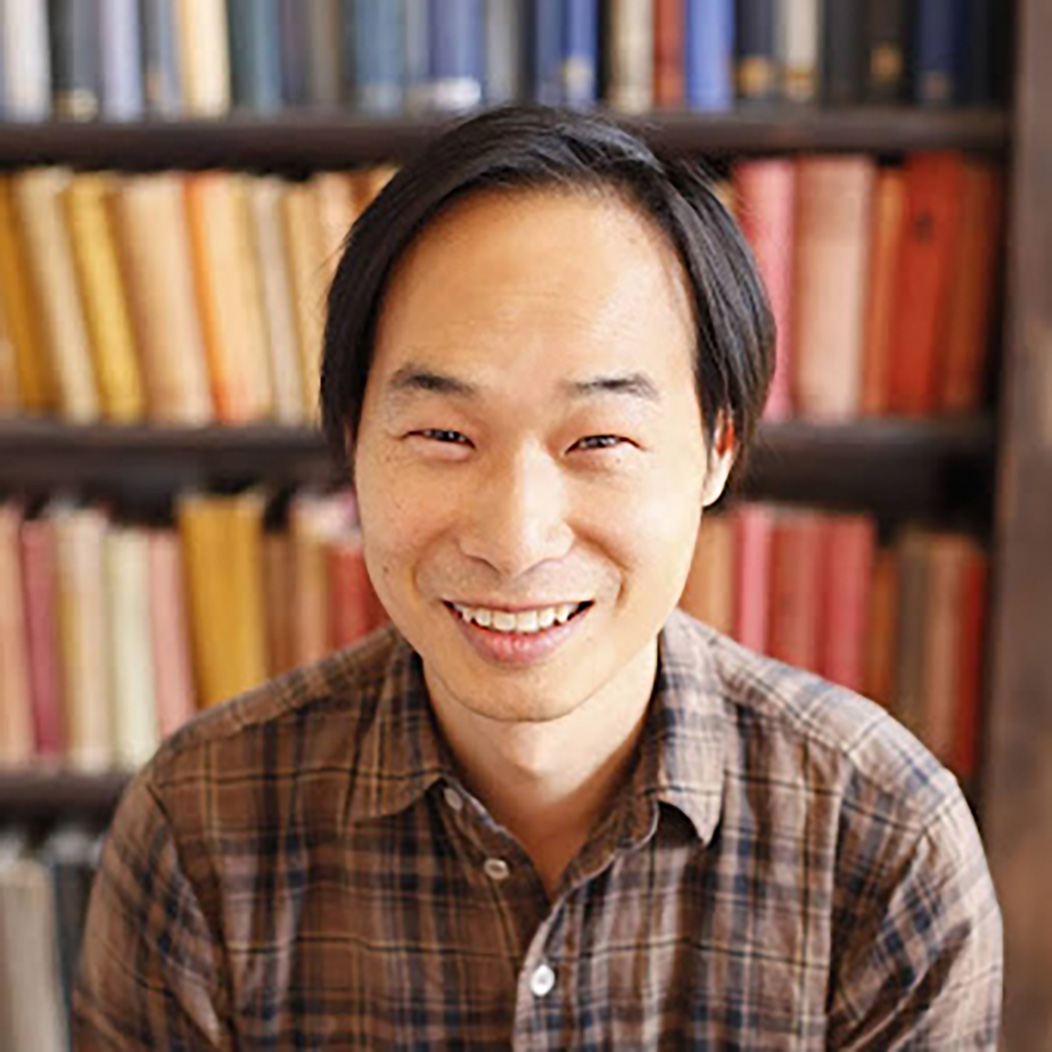
Above photo:
Tung-Hui Hu, Associate Professor of English Language and Literature, LSA.
